Blog
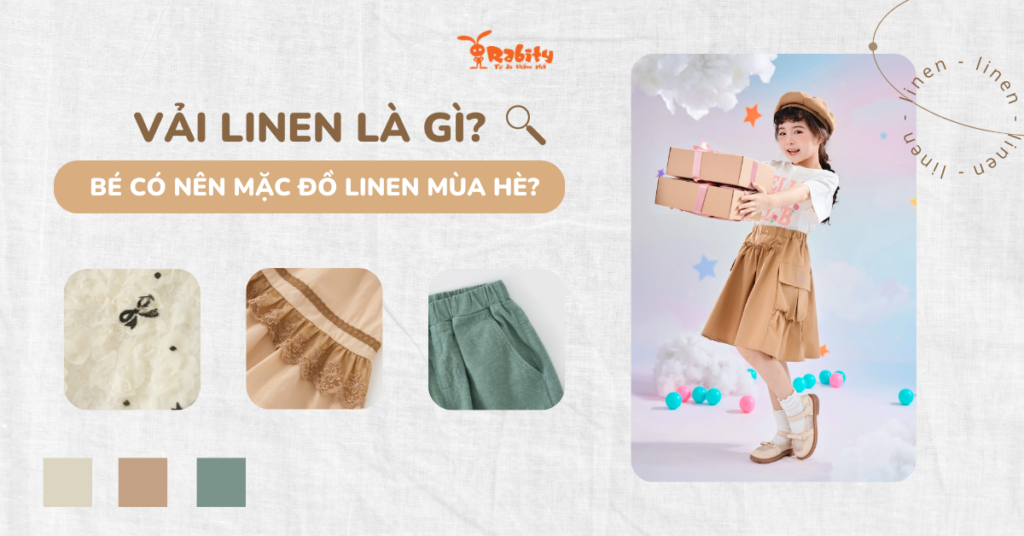
What is linen fabric? Should babies wear linen clothes in the summer?
Jun
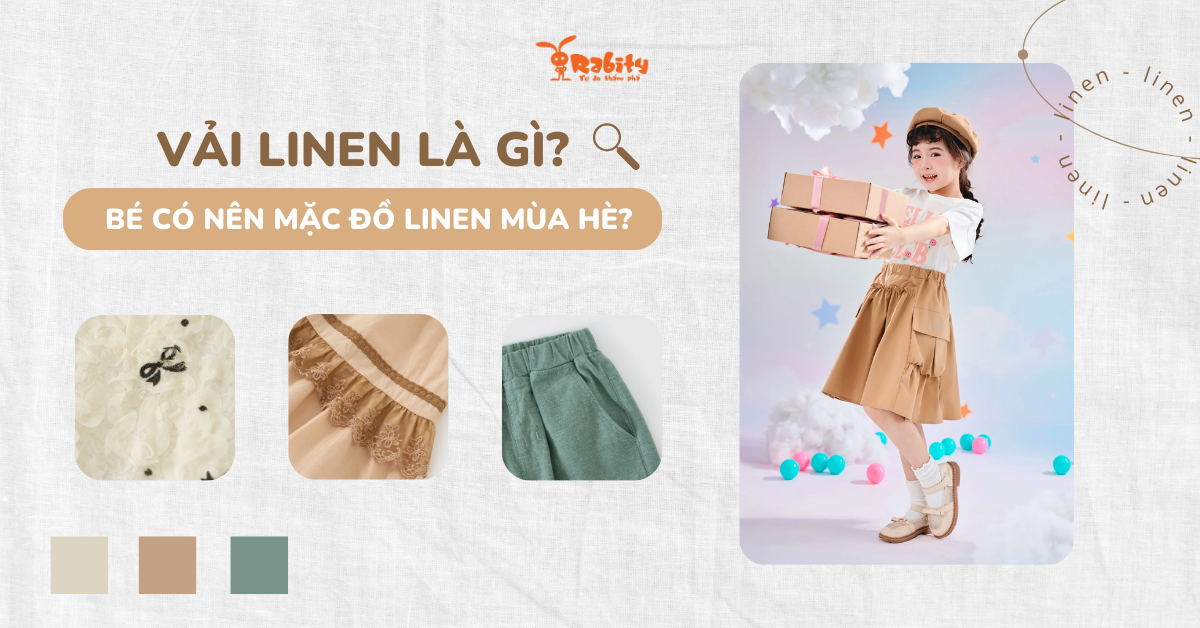
Linen is a material commonly used in everyday life and is becoming a popular trend, especially in the garment industry. So what is linen? What are the advantages and disadvantages of linen? Let’s find out with Rabity !
1. What is linen fabric? Some characteristics and ways to identify linen material
1.1. What is linen fabric?
Linen fabric, also known as linen fabric, is considered one of the earliest fabrics on the market. Linen fabric is produced completely naturally, people take the flax plant (a plant that grows near lakes in Switzerland) and separate it into fibers and weave it into fabric.
Thanks to being woven 100% from linen fibers, clothes made from linen will be very natural and high quality. You can see each fiber on the fabric surface and feel the soft, cool texture of linen fabric by hand very clearly.
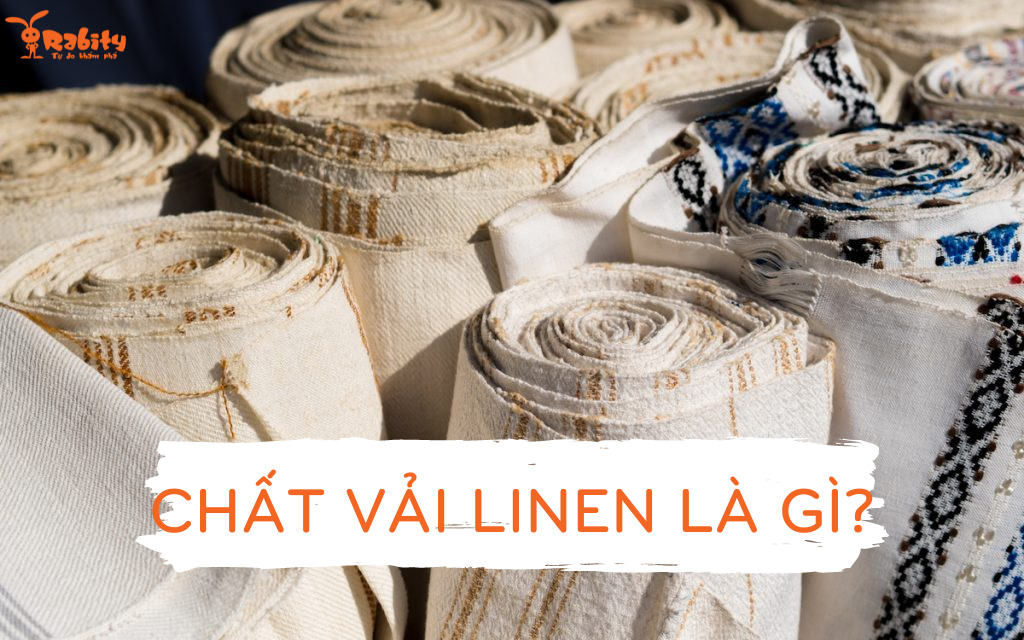
What is linen fabric?
1.2. Characteristics and how to identify linen material
- Characteristics of linen fabric
Genuine linen fabric will be light, soft and gentle on the skin, because it is made entirely from tree bark, the fabric will ensure safety and friendliness to the user. The fabric is also highly durable with a durability level measured at 5.5 to 6.5 gm/den (unit of measurement of fabric durability), sun protection, heat resistance and high color retention. In addition, because it is made entirely from natural linen, this is one of the fabrics that absorbs sweat well, ensuring coolness and comfort for the user.
However, the elasticity of Linen fabric is quite low, wrinkles and folds may appear on the fabric surface if we use and store it improperly.
- How to identify clothes made from linen
It is not difficult for you to recognize the quality of linen fabric. You just need to touch the surface of the fabric to check. If it is linen fabric, it will be very smooth, without lint. In particular, the fabric fibers are evenly linked together, not too thick but extremely strong. When soaked in water, linen fabric will be more durable. If you put the fabric in front of the light, you can clearly see the fabric fibers.
Linen fabric is not suitable for dyeing, so it is often dyed with natural colorants of plant origin. The original color of linen fabric is not pure white but ivory, yellowish brown or gray, so the fabric is mainly dyed in neutral colors such as brown, blue, beige, etc.
2. Origin and production process of linen fabric
2.1. Linen fabric production process
Linen is a material that originated thousands of years ago. This fabric is among the oldest materials in the world. Many researchers have found evidence that linen appeared around 8000 BC in Switzerland. But in fact, linen has appeared much earlier than that, people have used flax fibers to weave fabrics about 30,000 years ago.
Since its appearance until now, linen fabric has been improved with advanced technology to increasingly suit the needs of use. Many different types of linen fabric are continuously born, in addition to fashion, they also serve many other fields.
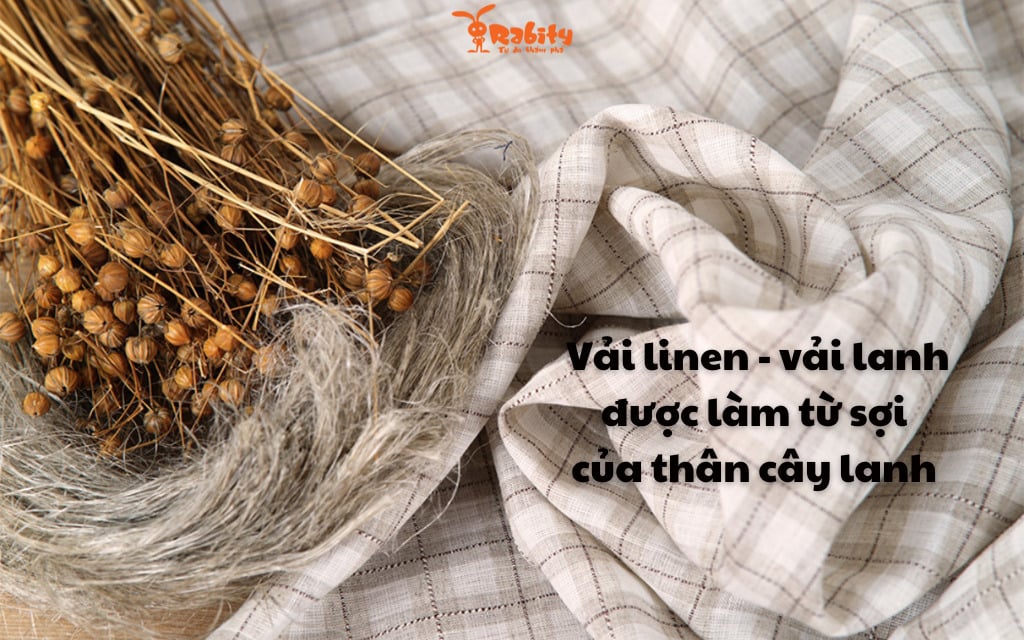
Origin of linen fabric
2.2. Linen fabric production process
Nowadays, linen is produced using modern microbiological methods, following a closed chain from growing plants for fiber to weaving. After the flax is harvested, the worker will strip the fibers, allowing microorganisms to eat the outer shell. The remaining soft flax fibers will be collected and braided into long threads.
Flax fibers will be treated by soaking and drying to remove impurities and soften. Then they are woven into fabric, bleached, dyed and polished. Finally, the quality is checked and technical errors on the fabric are corrected.
- Step 1 : Collect ingredients
To produce linen, the raw material needed is flax fiber. Flax manufacturers collect flax plants and separate the fibers from the plant. The flax fibers are then bleached and spun into raw fibers.
- Step 2 : Preprocessing
Raw flax fibres need to be processed before they can be used to make fabric. Pre-treatment involves washing the fibres to remove dust and impurities. The fibres are then dried and processed to remove excess fibre matter and increase elasticity.
- Step 3 : Weaving
Flax fibers are woven into fabric sheets, which are made by specialized weaving machines. These fabrics are thoroughly inspected to ensure quality and durability.
- Step 4 : Create pattern and cut fabric
Once the fabric pieces are available, the designer will create fashion product patterns. The fabric pieces will then be cut into individual pieces according to the sizes and shapes needed to create the fashion product.
- Step 5 : Sew the product
After cutting the fabric, the pieces will be sewn together to create a complete fashion product. This process is carried out by professional tailors with high technique and meticulousness in every detail.
- Step 6 : Finish
Once the linen fashion products are completed, they are thoroughly inspected to ensure quality and durability. The products are then finished by adding details such as buttons, snaps, or prints and prints.
3. Some popular linen fabrics in the fashion industry
Linen fabric has many types such as Korean linen fabric that can withstand heat well and is durable, and linen fabric with smooth texture, high durability and long-lasting color retention. Silk linen fabric brings softness and comfort to the user, so it is used to sew modernized ao dai or scarves. Linen fabric with a thin, light texture is often used to sew thin vests, pants, etc.
3.1. Linen cotton material
Linen cotton is a completely natural material that combines linen fibers with cotton fibers, so it has the best advantages of both types of fibers. Linen cotton has outstanding absorbency, does not cause skin irritation, which is also the leading advantage that makes many customers love and trust this fabric. Very suitable for hot and humid climates like Vietnam.
Cotton linen fabric is often used to create eye-catching scarves in terms of design and color. In addition, it is impossible not to mention the sophisticated and luxurious ao dai designs that are also applied from this fabric.
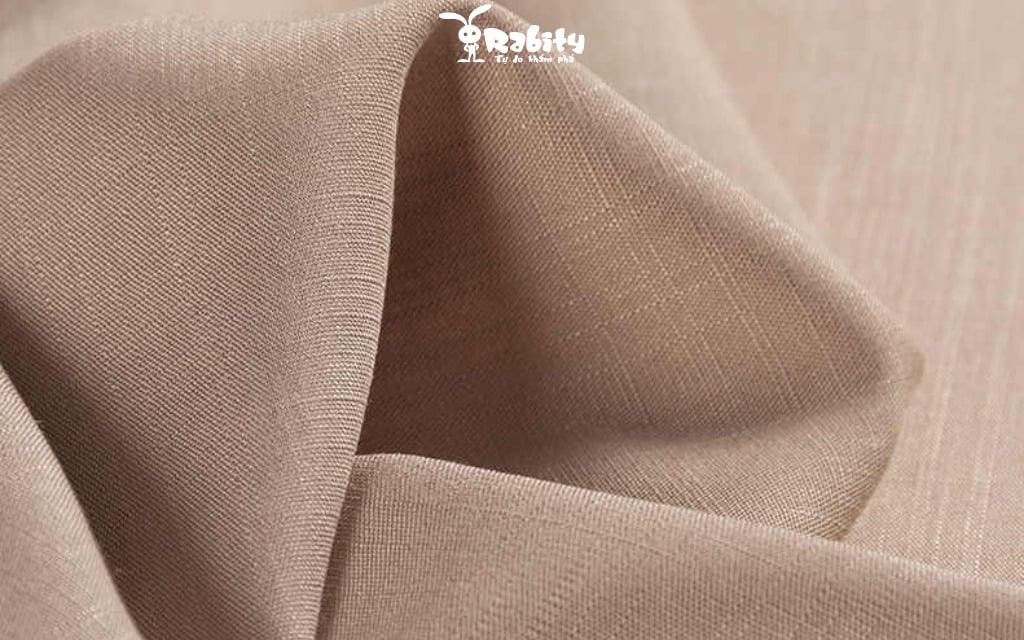
Linen cotton material
3.2. Wrinkle-free linen fabric
Does linen wrinkle? is a question that many people are interested in because this is a factor that everyone is very interested in when choosing fabric. The light and airy linen fabric has become the first choice of many people. However, the fabric often wrinkles slightly, this is a natural characteristic of linen. If you want to use linen but do not like this feature, choose wrinkle-free linen immediately.
Thanks to the improved fabric production technology that helps overcome the natural wrinkling characteristics of linen fibers, creating wrinkle-free linen fabric, serving many purposes. Unlike regular linen fabric, this type will not wrinkle when used. Linen fibers always maintain smooth straightness, the fabric surface is flat without frequent ironing. Combining the advantages of linen fabric such as: cool, durable, good absorbency, … wrinkle-free linen fabric is loved by many users.
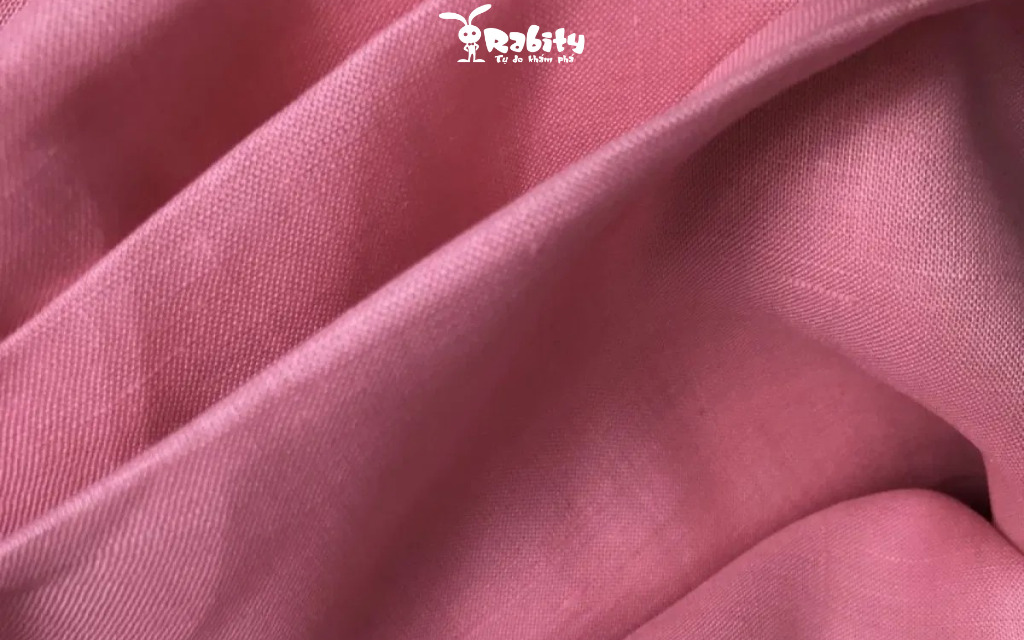
Wrinkle free linen fabric
3.3. Korean linen fabric
Why was Korean Linen fabric born? The reason this name appeared is because of the origin of the fabric. Its colors and patterns are associated with the culture and people of this country. Not only leading in movies, Korea is also leading in fashion, and the difference of Korean linen fabric is the trendy patterns that meet the needs of women who are passionate about Korean style and the affordable price makes fashion lovers flutter.
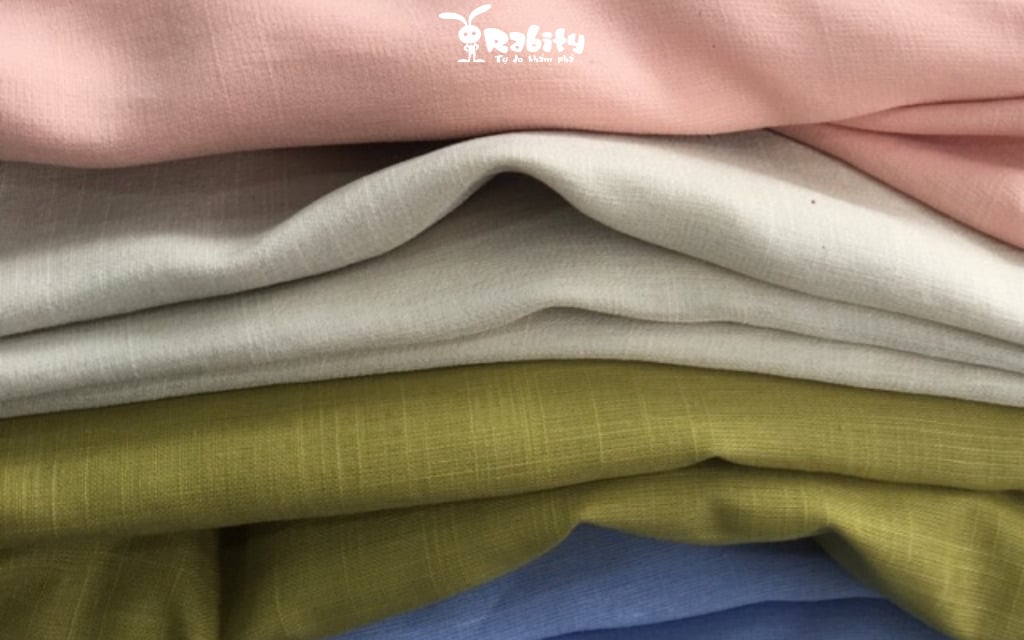
Korean linen fabric
3.4. Linen fabric
Linen is a high-quality linen fabric that is more durable than regular linen. Not only that, the fabric is also smoother with superior color retention, and the possibility of shrinkage of this fabric is very low. Even if you wash it many times, it is still guaranteed not to become limp.
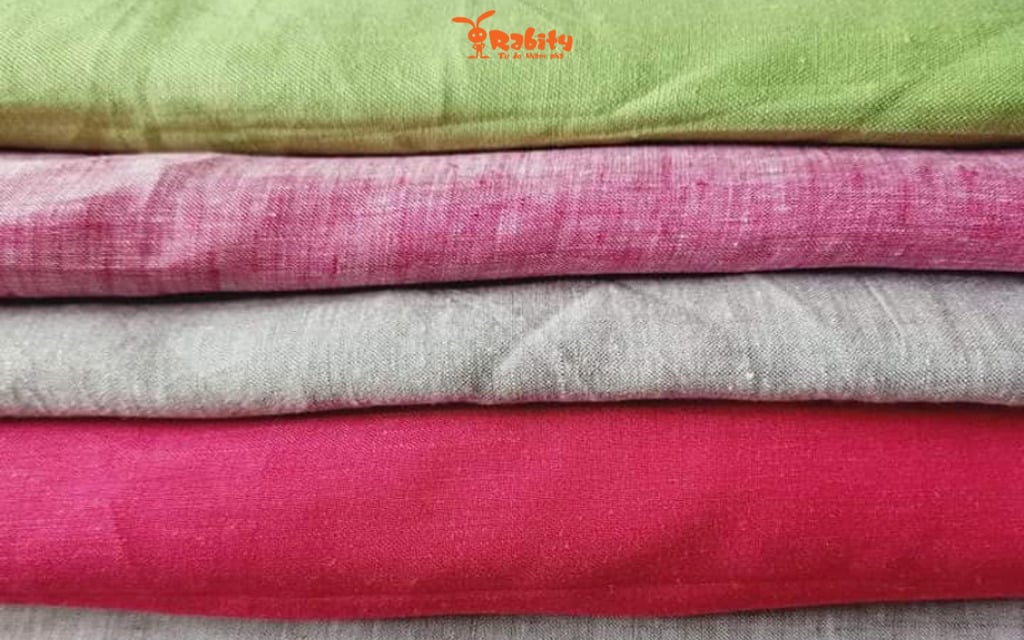
Linen fabric – High quality linen fabric
3.5. Scratched linen material
Linen material scratched or also known as ribbed linen is made from flax fibers and combined with rayon fibers, which is also a natural fiber, making the fabric surface have interwoven scratches, creating a difference for this fabric compared to other types of linen. Because of this, the linen scratched on clothes will have a delicate look.
Linen fabric is extremely easy to wear because the fabric surface is thin, light, soft, smooth, slightly shiny and minimizes shrinkage. With a strong fiber structure but thin and light, creating a cool and comfortable feeling for the wearer, when sewing dresses, we should add a lining to make it safer for all activities.
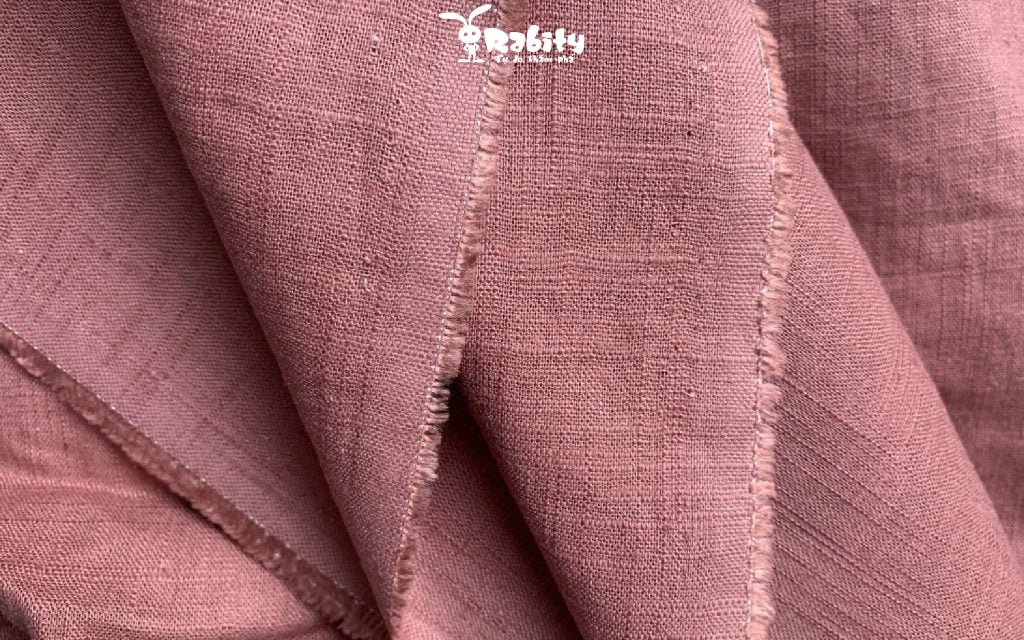
Linen fabric
3.6. Raw linen material
Raw linen is ideal for summer because of its ability to absorb sweat well, bringing a cool, extremely comfortable feeling. Now, with the ability to transform into more youthful, more trendy designs, raw linen has been able to prove that it is truly “gentle and beautiful without being dazzling”, and has created an addictive craze for fashionistas without them even realizing it.
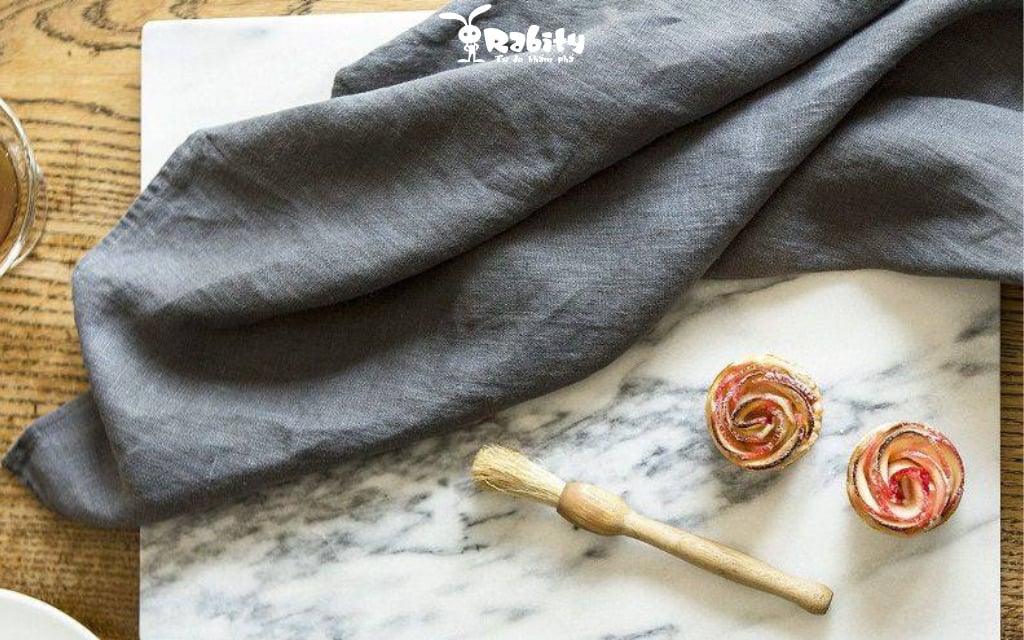
Raw linen fabric
4. Advantages and disadvantages of linen fabric
What are the advantages and disadvantages of linen fabric? Is linen fabric cool? Below are some advantages and disadvantages of linen fabric, helping you gain more useful knowledge about linen material.
Linen fabric is a fabric used a lot in the summer with hot and uncomfortable weather, it will ensure the user the necessary coolness and does not lose comfort during long days of use.

Advantages and disadvantages of line fabric
4.1. Advantages
- Very fast absorption
Because it is a fabric line with completely natural origin, linen fabric is very absorbent and ensures coolness and dryness for the wearer all day long. Thanks to that, this fabric line is very popular in the summer or hot days.
- Extremely heat resistant
Linen fabric is also famous for its good heat resistance, you do not have to worry when leaving your shirt or pants in the sun for too long because direct sunlight or exposure to high heat will not cause this fabric to be damaged or deformed. Thanks to this advantage, linen fabric is also used to make canvas covers or sun-protective shirts and sun-protective skirts.
- Soft, smooth
Despite its good heat resistance, linen fabric still ensures the necessary softness and smoothness. When used to coordinate with the right type of clothes and outfits, this linen fabric can also look very luxurious and noble, creating a highlight for the outfit.
4.2. Disadvantages
- Wrinkle prone
The fabric is made entirely from natural materials, so it is inevitable that the fabric will wrinkle and have folds during use and storage.
- Poor elasticity
Because it is made from flax bark, linen fabric is less elastic than other fabrics on the market, and the thick fibers of the fabric also make the fabric much less elastic.
- Poor friction
Because of its large fiber structure and being made entirely from natural materials, linen fabric often has poor friction, so the fabric will easily get scratched and lose its inherent shine after long-term use.
5. Should babies wear linen in the summer?
The answer is YES, but not always completely suitable. Linen is ideal for hot weather thanks to its good breathability and absorbency. When wearing linen, your baby will feel cooler, drier and more comfortable when moving gently on hot summer days.
However, not all types of linen are suitable for the sensitive skin of young children. Some types of coarse or unprocessed linen can cause a dry, rough feeling on the baby’s skin. Therefore, parents should prioritize choosing linen with moderate fiber density, processed to be soft, or combined with a thin lining to increase the feeling of comfort.
In addition, style and design also play an important role. You should choose linen clothes with a loose shape, few hard seams, avoid tight-fitting dresses or dresses with extra details that cause stuffiness. For children, comfort and safety are always the top criteria in the summer.
6. How to wash and preserve linen clothes
After each wash, linen fabric will often shrink. Therefore, you should not wash clothes with hot water above 40 degrees. Besides, you should also limit ironing and only wash with warm and cold water.
Linen dries quickly, so you just need to dry it in the shade, avoiding long exposure to sunlight. You can also use a dryer to dry it faster. You should choose a gentle drying mode and take the clothes out of the dryer while they are still warm because linen will shrink and become brittle when dried.
Linen fabric has a natural wrinkle surface, so you can save time ironing. You should use a steam iron and iron at a temperature below 200 degrees Celsius for linen clothes.
Linen clothes should be stored in a hanging closet. Do not hang too many clothes next to each other because the pressure will cause more wrinkles in the ironed clothes. When packing clothes in a suitcase, you should put newspaper in the middle before folding to avoid creating creases.
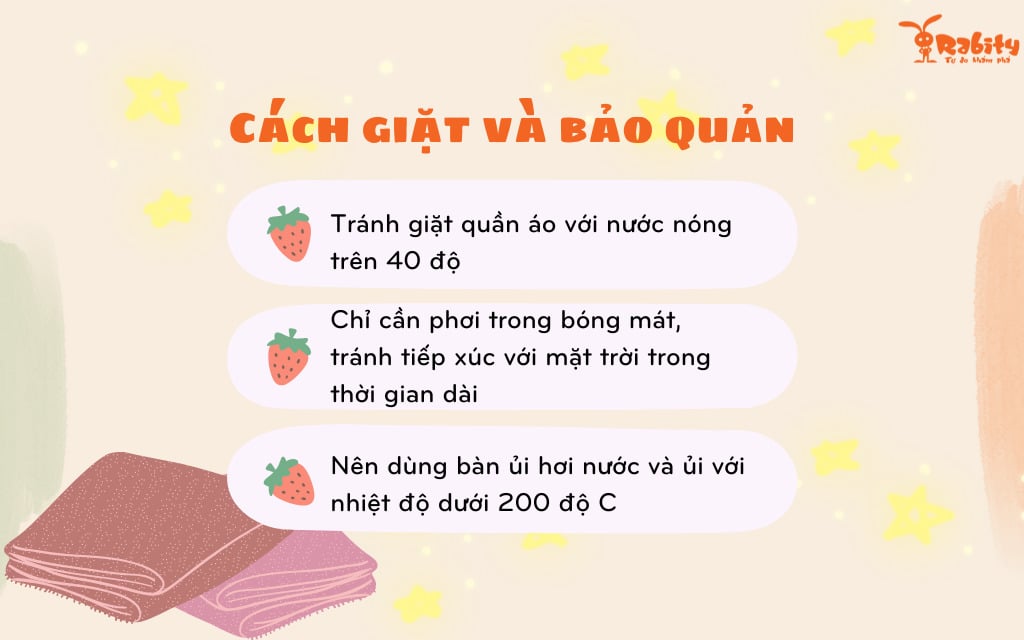
How to wash and preserve clothes made from linen fabric
